Conceptual RebrandingZara
Project roles: Brand Strategy, Creative Direction, Visual Identity, Typography, Editorial Design
Project timeline: One month
A conceptual rebrand of Zara that repositions the fast-fashion giant toward a more sustainable, curated, and culturally aware future.
Problem
As a dominant force in fast fashion, Zara faces increasing pressure from a generation that is more conscious of environmental impact. While sustainability has become a common marketing message, much of the industry’s visual language remains unchanged, failing to communicate meaningful evolution.
At the same time, Zara’s identity has become less distinct as minimalist branding saturates the market, causing it to blend into a landscape it once helped define.
Concept
For Zara to remain relevant, it must do more than adopt the language of sustainability—it must signal a shift in mindset.
This rebrand explores Zara “growing up” alongside its audience: moving from fast consumption toward a more intentional, curated, and self-aware brand experience.
Outcome / Impact
The rebrand reframes Zara as a brand in transition to one that acknowledges its role in fast fashion while signaling movement toward a more sustainable and culturally engaged future.
By introducing a stronger narrative layer and a more curated visual system, the brand fosters a sense of inclusion and identity, positioning consumers not just as buyers, but as participants in a shifting fashion culture.
Reflection
This project explores how branding can communicate behavioral change. Not just aesthetic change, but also aligning visual identity with evolving cultural values.
Approach
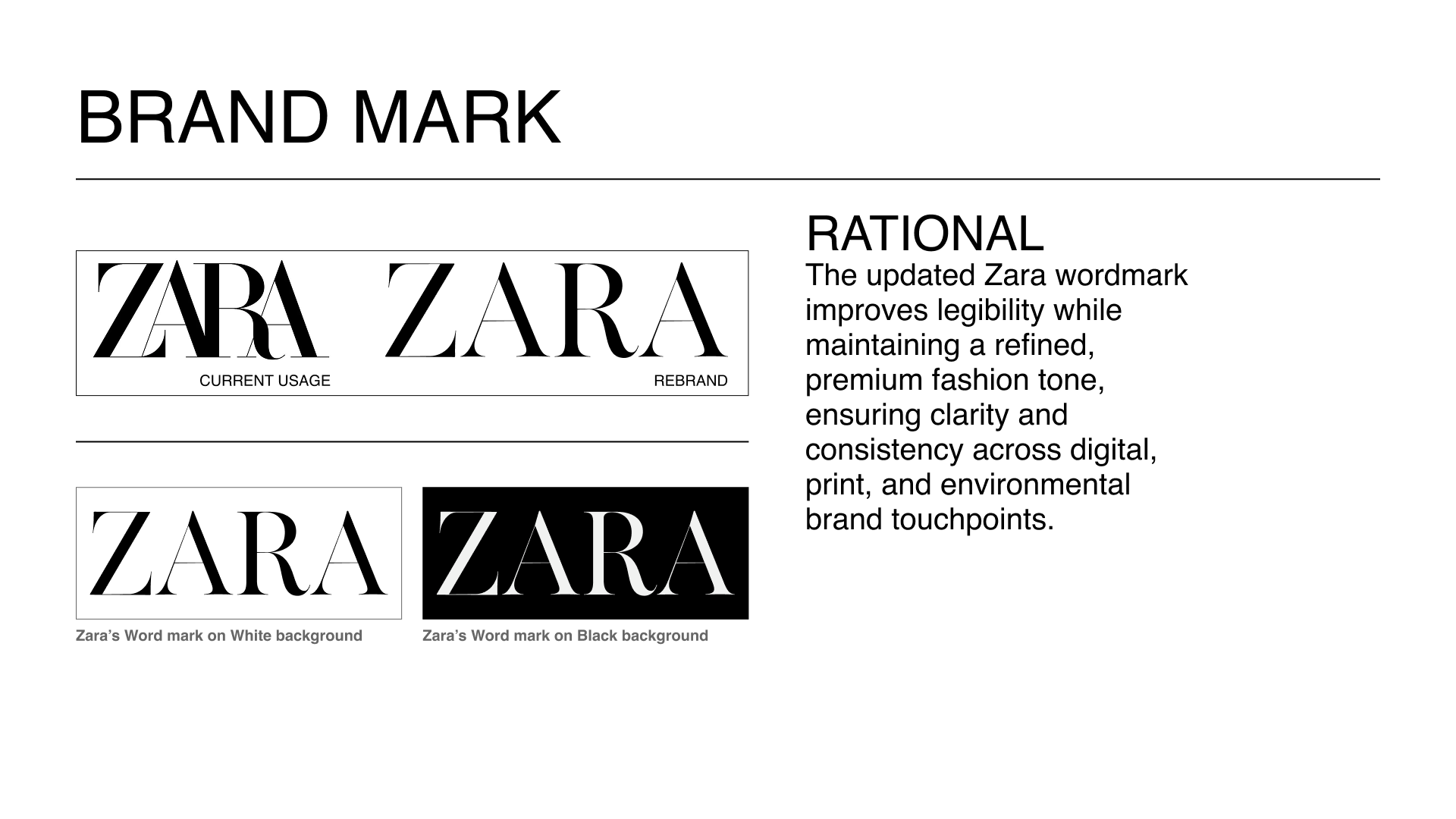
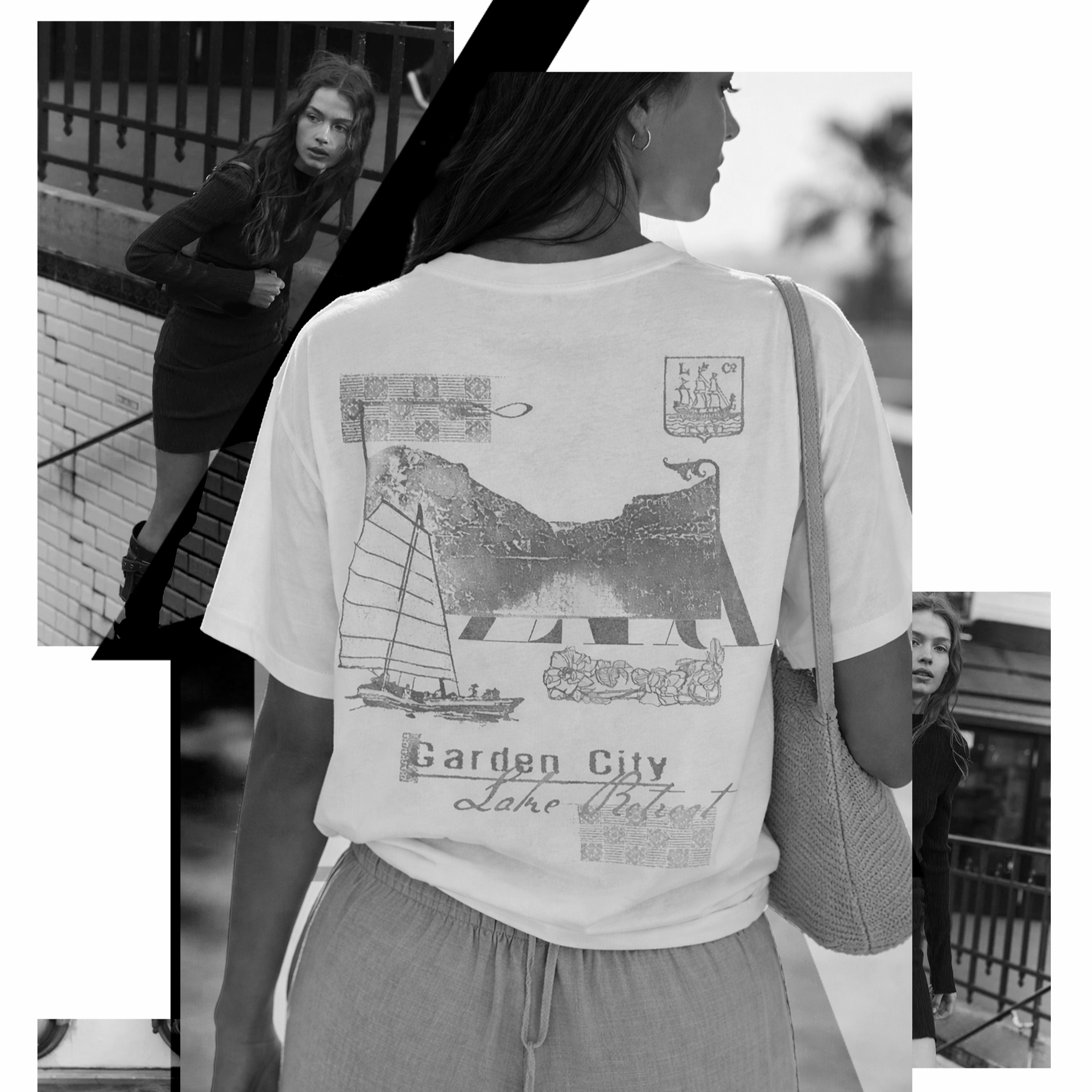
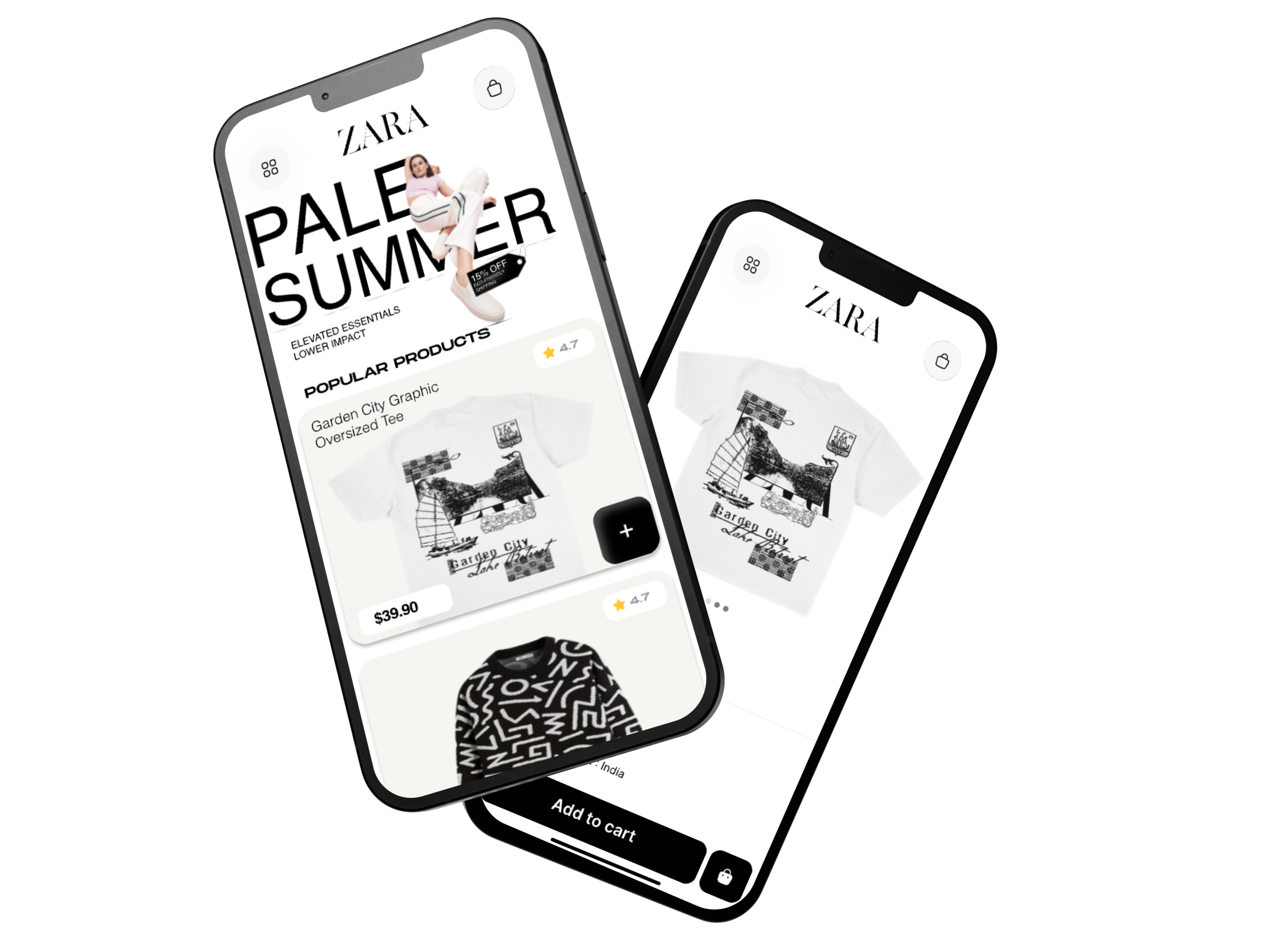
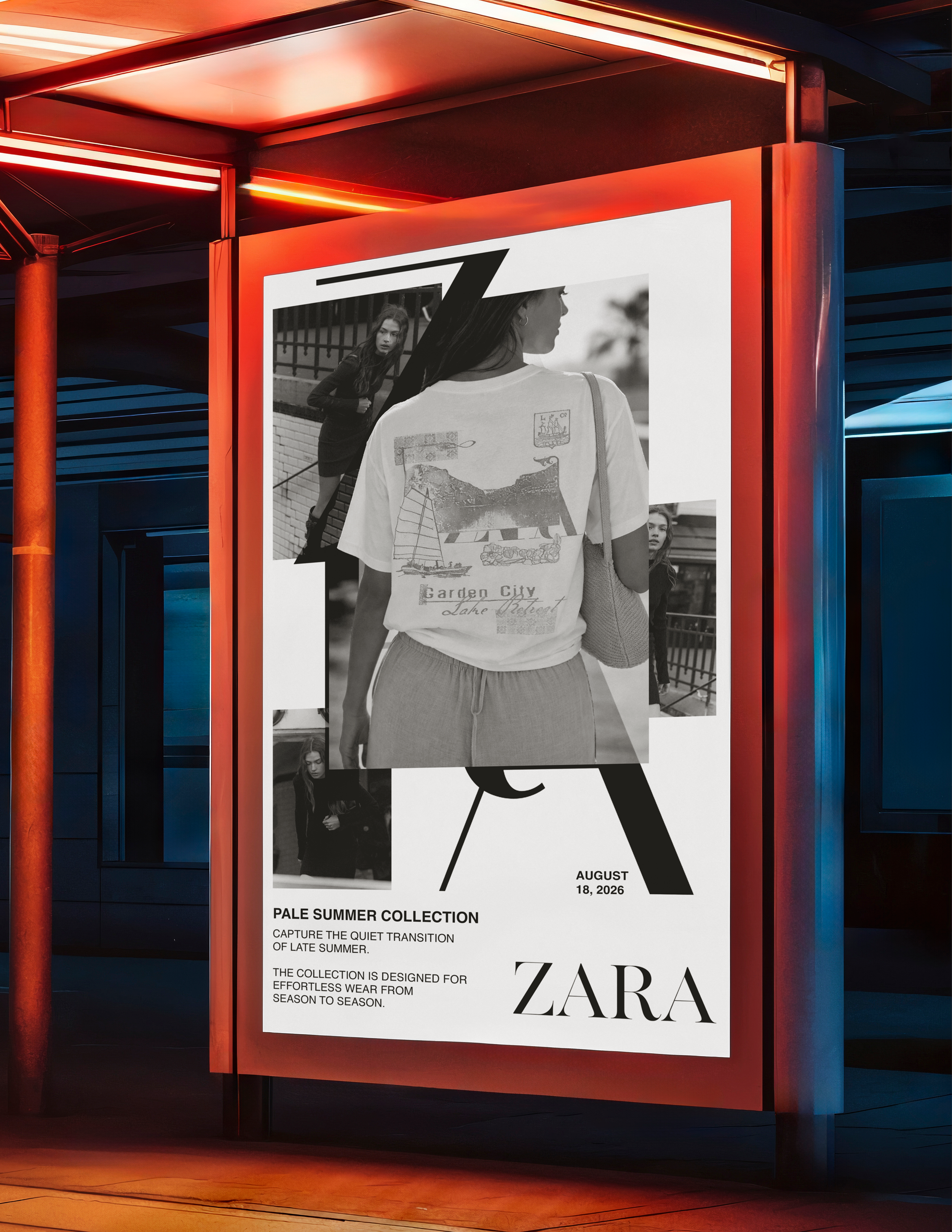
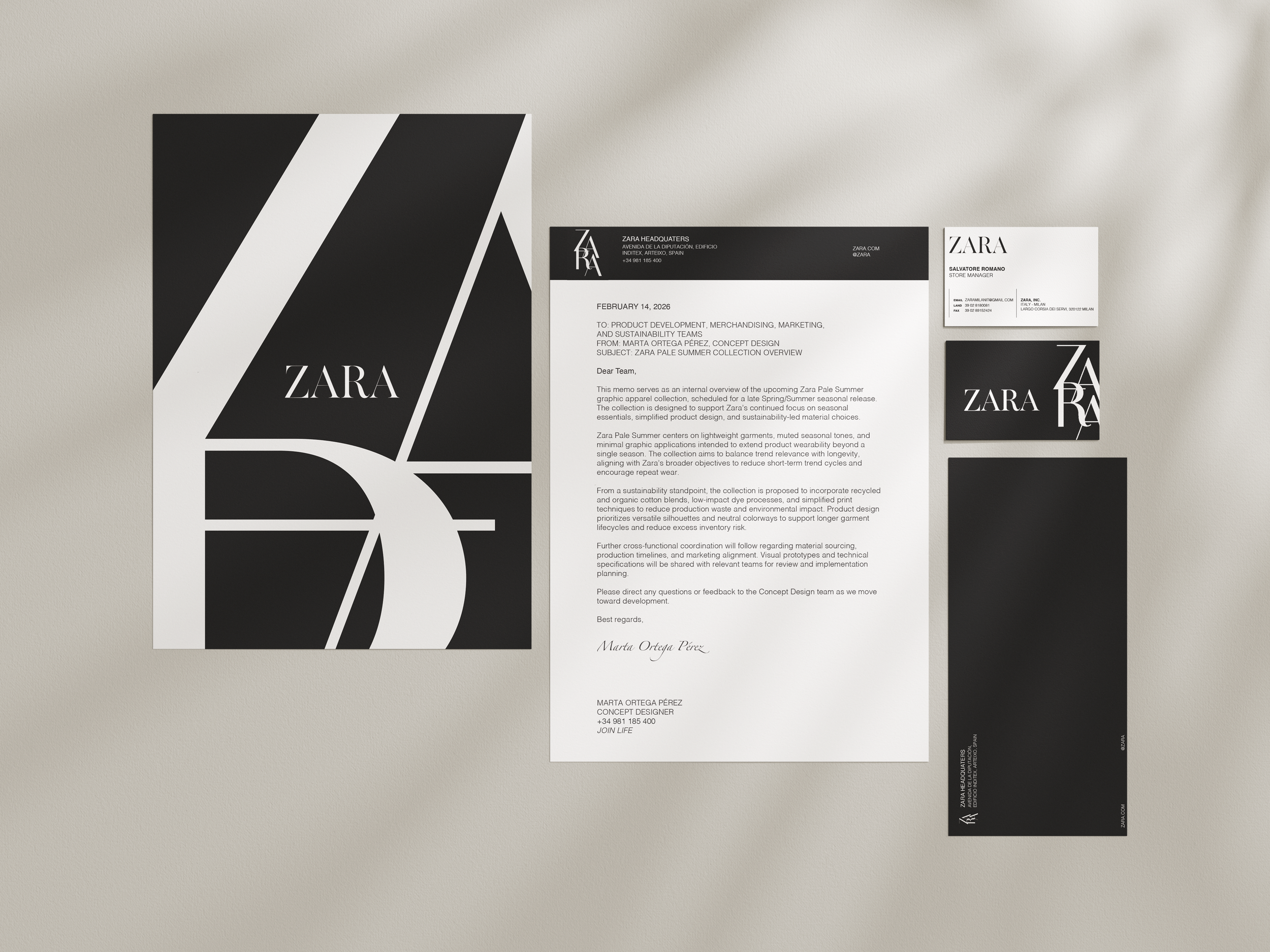
The identity builds on Zara’s existing foundation while introducing a more expressive and editorial system rooted in storytelling and cultural positioning.
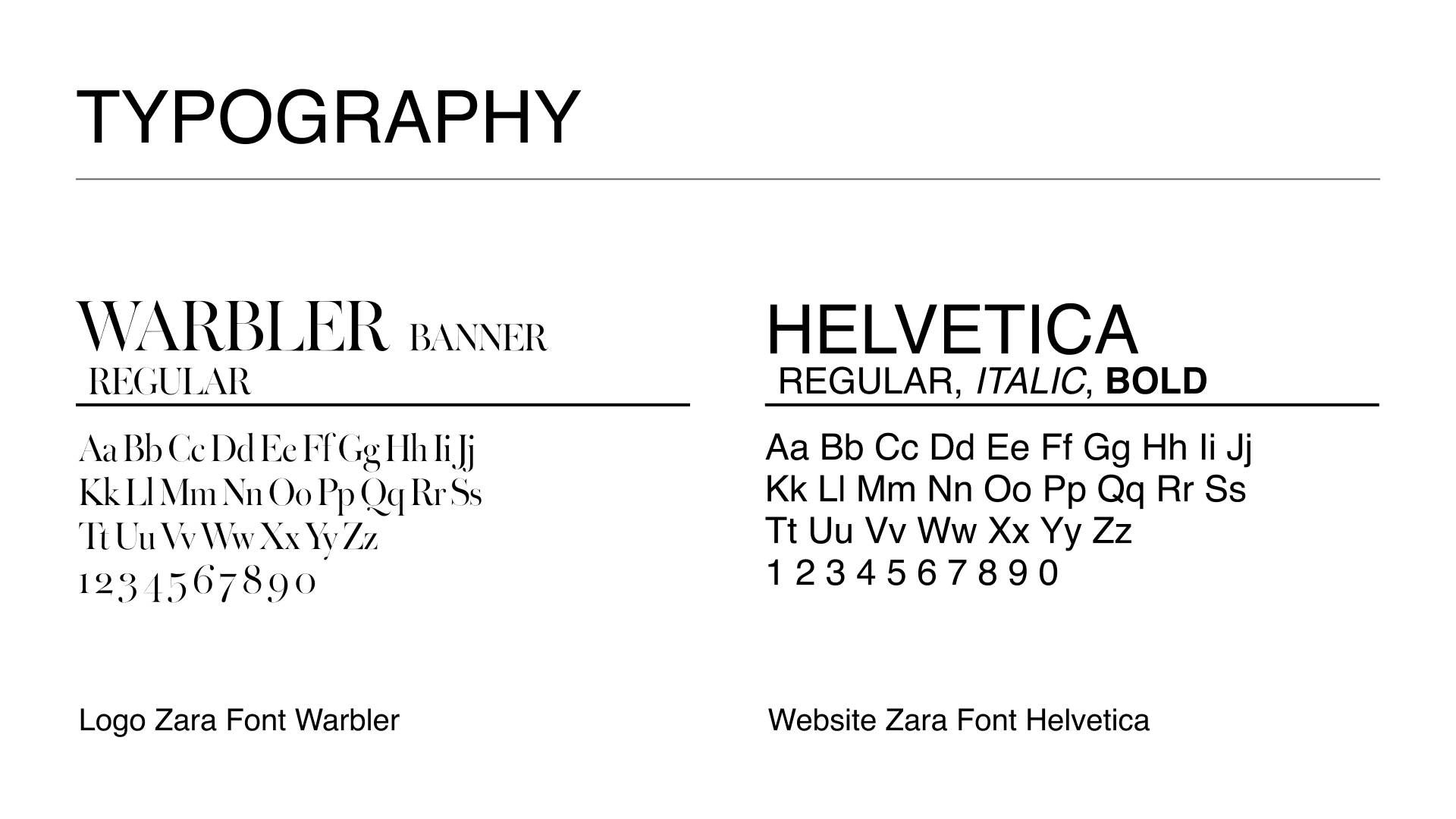
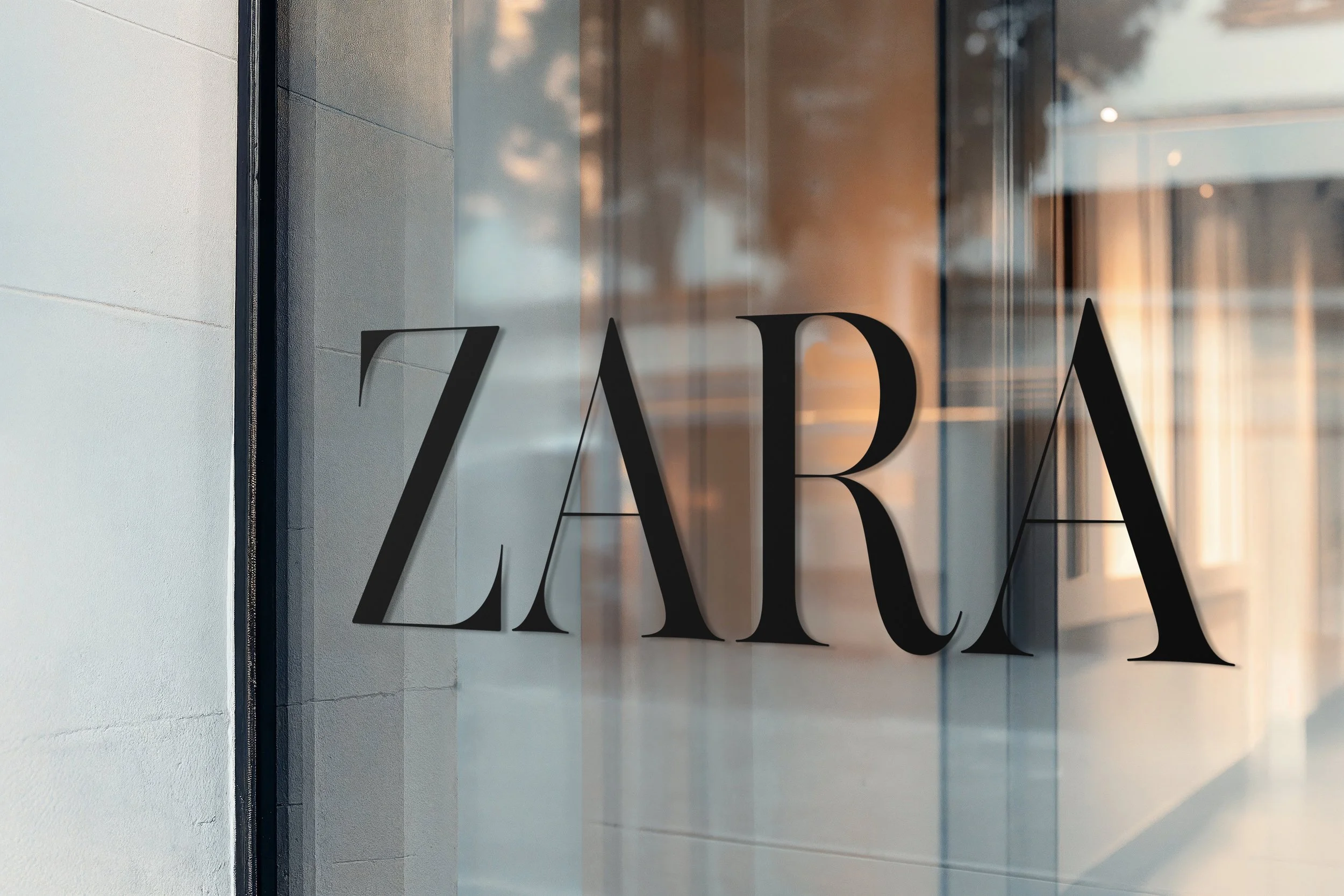
Expanded the brand’s typographic language beyond its current logo, balancing legibility with moments of heightened expression
Introduced a more curated visual system that draws from fashion publications rather than purely commercial layouts
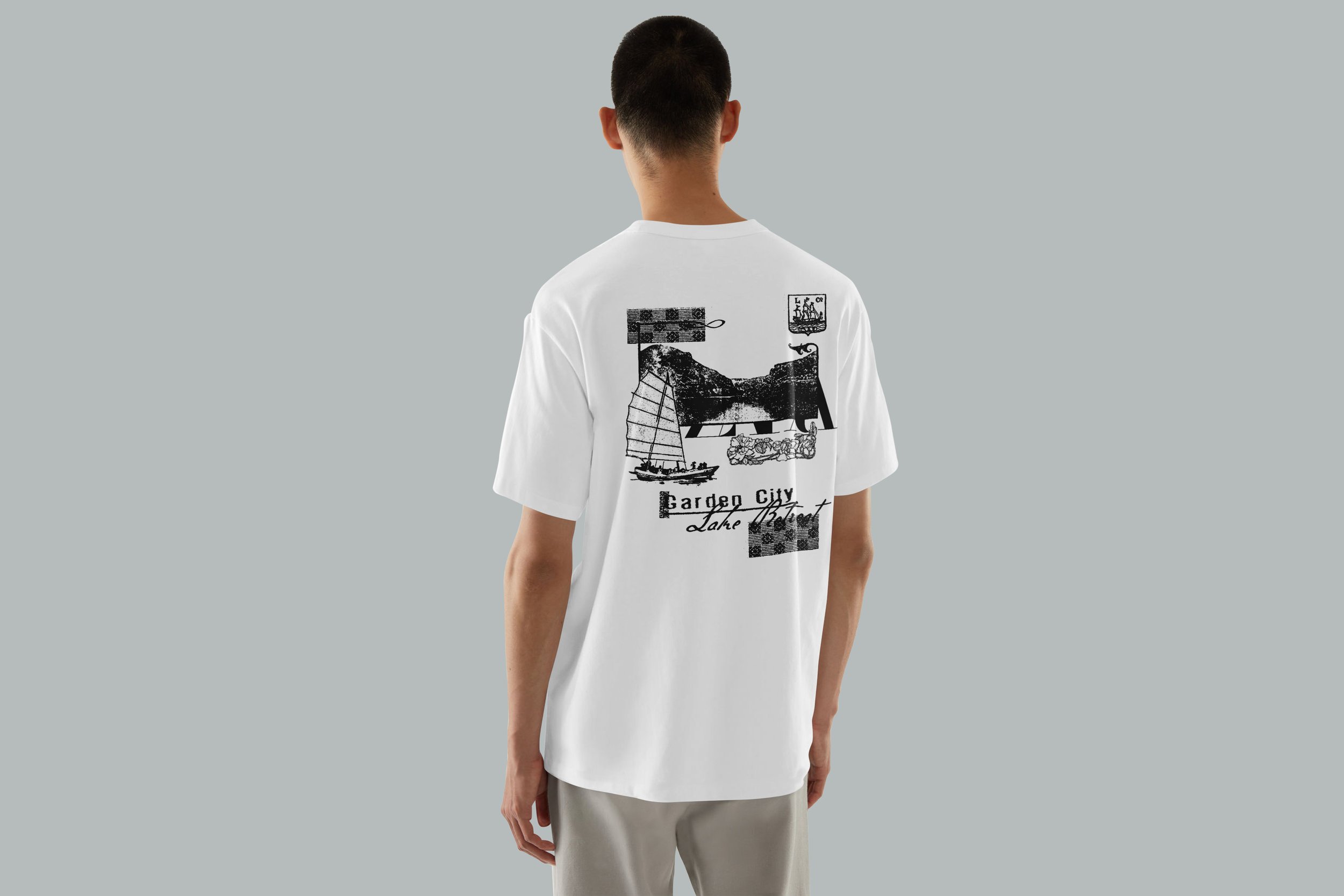
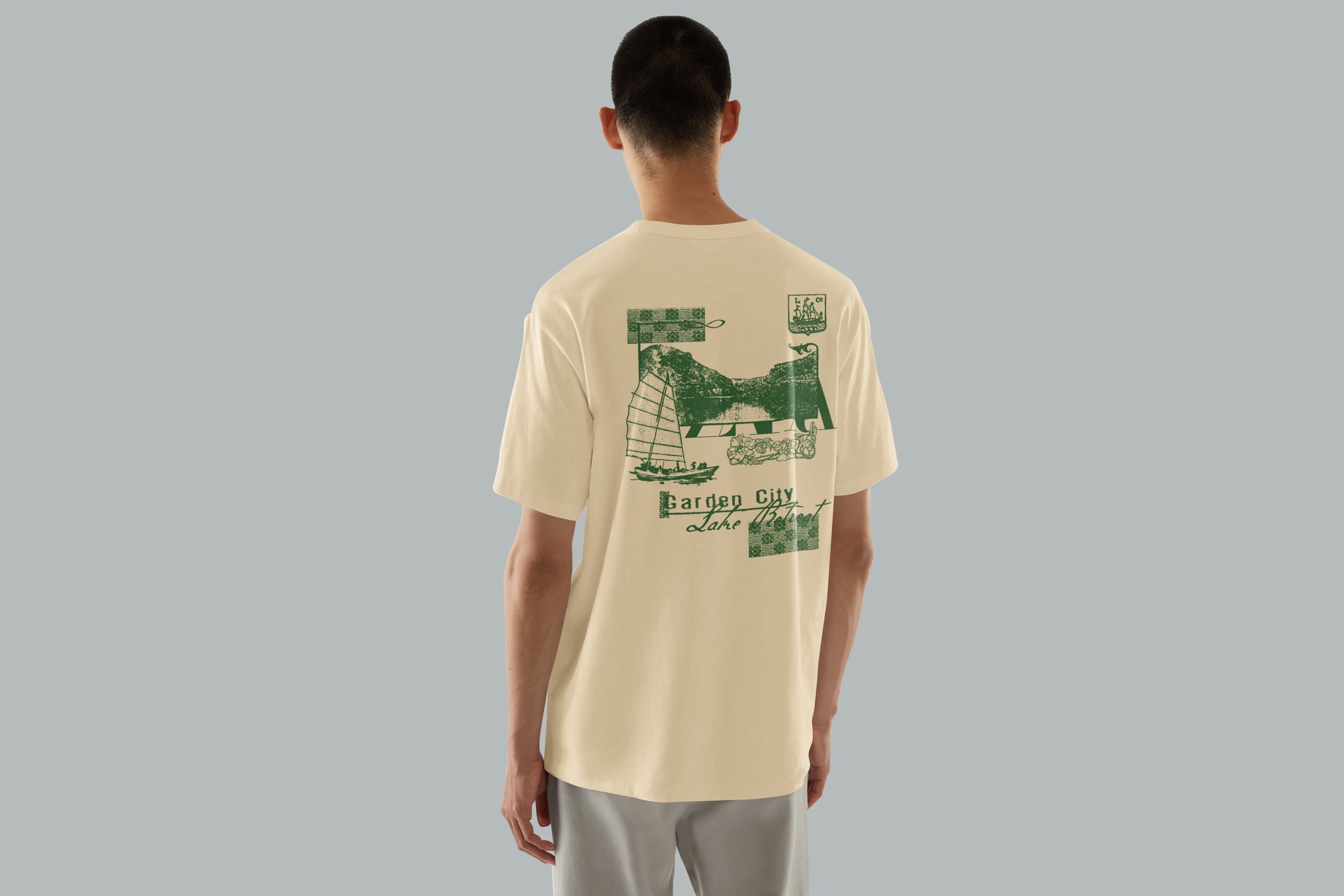
Designed with narrative in mind—where each touchpoint, from campaigns to graphic apparel, contributes to a larger brand story
Shifted the tone from mass production to selective curation, reinforcing a sense of exclusivity and belonging